
OUR TECHNOLOGY
A New Electrolytic Membrane Cell Technology for the Industry
The company has designed and developed a new electrolytic membrane technology to be used on various applications in the industry. The technology is capable of producing sustainable and economically viable ‘green’ hydrogen, advanced biofuels, and other products from raw lignocellulosic biomass as feedstock. The electrolytic technology can operate in combination with solar power, wind turbines, and/or hydro to provide sustainable and more economical renewable energy storage. The electrolytic technology operates in a single-step at low d.c. electric power voltage to separate various components in the fluid stream. The electrolytic membrane technology developed by the company is MODULAR in design. The plant operation can be easily expanded to the desired capacity.

The New Electrolytic Technology Contains Highly Efficient Membrane Fouling Control for Industrial Applications
Our engineering and technical staff completed the design and development of a new electrolytic membrane technology to produce renewable hydrogen, renewable biofuels, and other valued products at high yields and low cost. The electrolytic technology is specially designed with membrane fouling control to be able to operate effectively on industrial alkaline effluent streams containing high solids concentration. The electrolytic cell is assembled w/ DuPont Nafion membranes to provide effective water splitting, generate hydrogen, recover caustic, and separate molecules and products from industrial process streams.

The Raw Feedstock to Electrolytic Technology
The raw feedstock may consist of agricultural biomass residues and municipal solid waste biomass materials. This includes corn stover, sugarcane bagasse, switchgrass, wheat straw, wood saw dust, chips, rice straw, waste cartons, newspaper, waste paper, and many other biomass materials.
New Electrolytic Modules Can Operate with Renewable Energy as Power Source
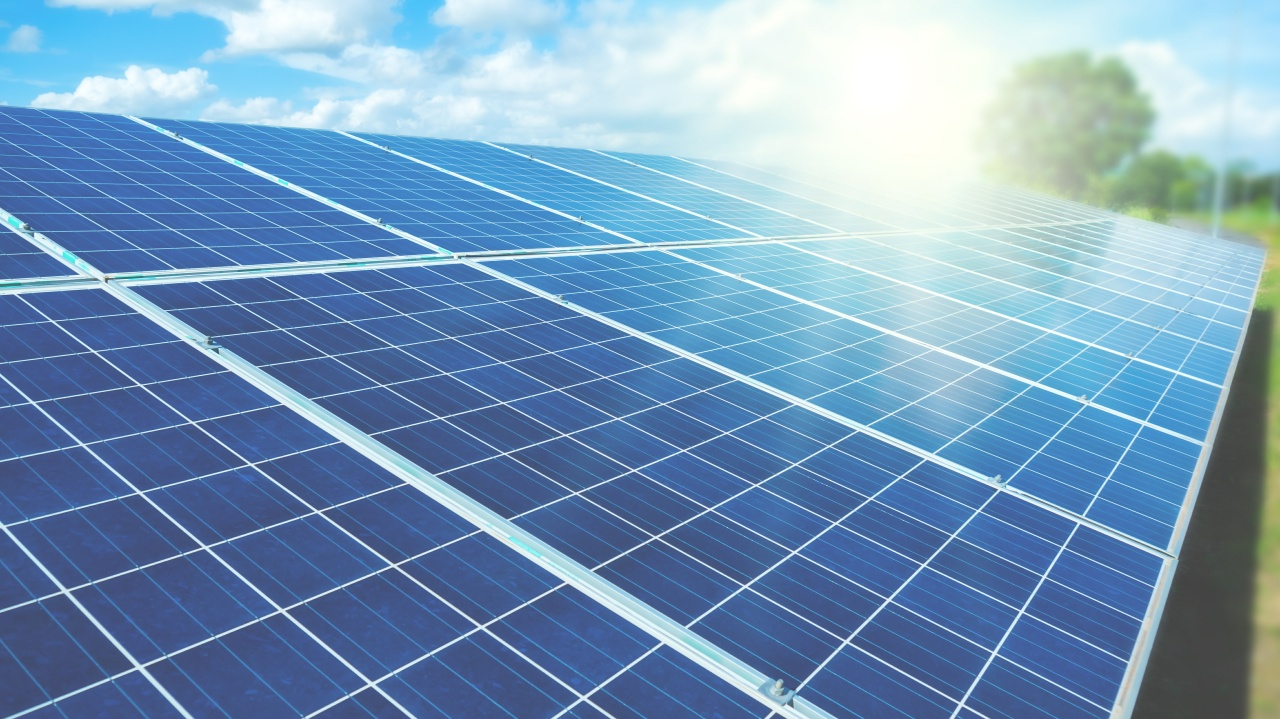
The technology can be installed with renewable energy technologies to produce real sustainable and economically viable energy storage. The new electrolytic technology can be operated in combination with solar PV, wind, and hydro power as energy sources to provide renewable energy storage with higher revenues and better profit margins for end users.
Operation, Final Products, and Intermediate Products
The final products and intermediates may include sustainable ‘green’ H2 gas, advanced biofuels, caustic recovery, cleaned cellulosic fiber, fermentable cellulosic sugars, i.e. glucose and xylose sugars, lignin fuel powder, and other products. The electrolytic unit operates basically in the liquid phase and basically in one single-step. The energy source feeds electric power to the electrolytic modules at low d.c. voltage. The unit operates at mild temperatures and low pressures to avoid harmful damage to sugar molecules and other sensitive substances. The electrolytic modules also remove undesirable substances from industrial effluent streams to eliminate harmful emissions to the environment. The Electrolytic PRODUCTS and coproducts may include (1) green hydrogen fuel, (2) advanced biofuels, (3) renewable energy storage, (4) glucose sugar, (5) xylose sugar, good flavor, low calories, (6) hemicellulose sugars, (7) cellulose fiber, (8) caustic soda, (9) lignin powder a fuel, (10) dissolving pulp (Rayon), and others.
Electrochemical Reactions Inside the Electrolytic Membrane Cell
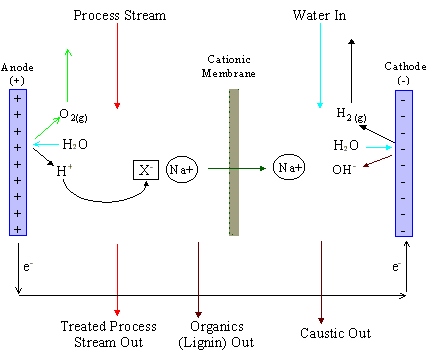
The above diagram describes the basic electrochemical principles by which the new electrolytic cell works. The new membrane technology performs unique electrochemical reactions in a wide range of applications. The industry can now extract and separate molecules and products from process streams that have been difficult to treat with conventional filtration equipment in the past. The feed stream passes through the anolyte chamber, the sodium (Na+) and other positively charged ions are transferred through the membrane into the catholyte chamber. The positive ions are combined with hydroxyl (OH-) ions from split water and produce caustic (sodium hydroxide) and hydrogen. Organics in the feed stream are oxidized or acidified at the anode. Hydrogen gas (H2) is liberated at the cathode and may be recovered and used as fuel.
The electrolytic modules can also be used to remove undesirable substances from industrial effluent streams to eliminate harmful emissions to the environment. The technology is based on our awarded patents ‘982 (1), ‘300 (2) and ‘005 (5). Several new patents are in progress.